Surgical Dentistry
Oral Surgery in San Clemente
Surgical treatment for the problems that cannot be solved in a filling appointment.
Oral surgery covers the procedures that go beyond restorative work – impacted teeth, jaw alignment, implant placement and the diagnosis of oral pathology. Modern technique has made much of it less invasive than its reputation suggests.
Dentistry for the whole household.
About Oral Surgery
What oral surgery covers
It is a broad category rather than a single treatment, and most people meet it through one procedure: a wisdom tooth that has to come out, or an implant that has to go in. What the procedures share is that they treat structure – the tooth below the gum, the bone, or the jaw itself.
Procedures
The most common types
These are the procedures we are asked about most often.
- Wisdom teeth removal Extracting impacted or problematic third molars to prevent crowding, pain and infection.
- Dental implants Surgically placing artificial tooth roots to support replacement teeth.
- Jaw surgery Correcting alignment issues such as overbite, underbite or crossbite.
- Biopsies Removing tissue for examination to diagnose oral pathology.
- Apicoectomy Removing the tip of a tooth root to treat infection that persists after a root canal.
What It Achieves
Why surgical treatment is recommended
Surgery is proposed when it resolves something that will not resolve on its own.
- Pain relief It relieves the pain and discomfort caused by impacted teeth.
- A corrected bite Misalignment is corrected, which improves both function and appearance.
- Implants made possible It prepares the site so implant treatment can go ahead.
- Speech and chewing Function is restored where structure was the obstacle.
- Long-term solutions It resolves oral and maxillofacial problems rather than managing them.
Technique
Minimally invasive where it can be
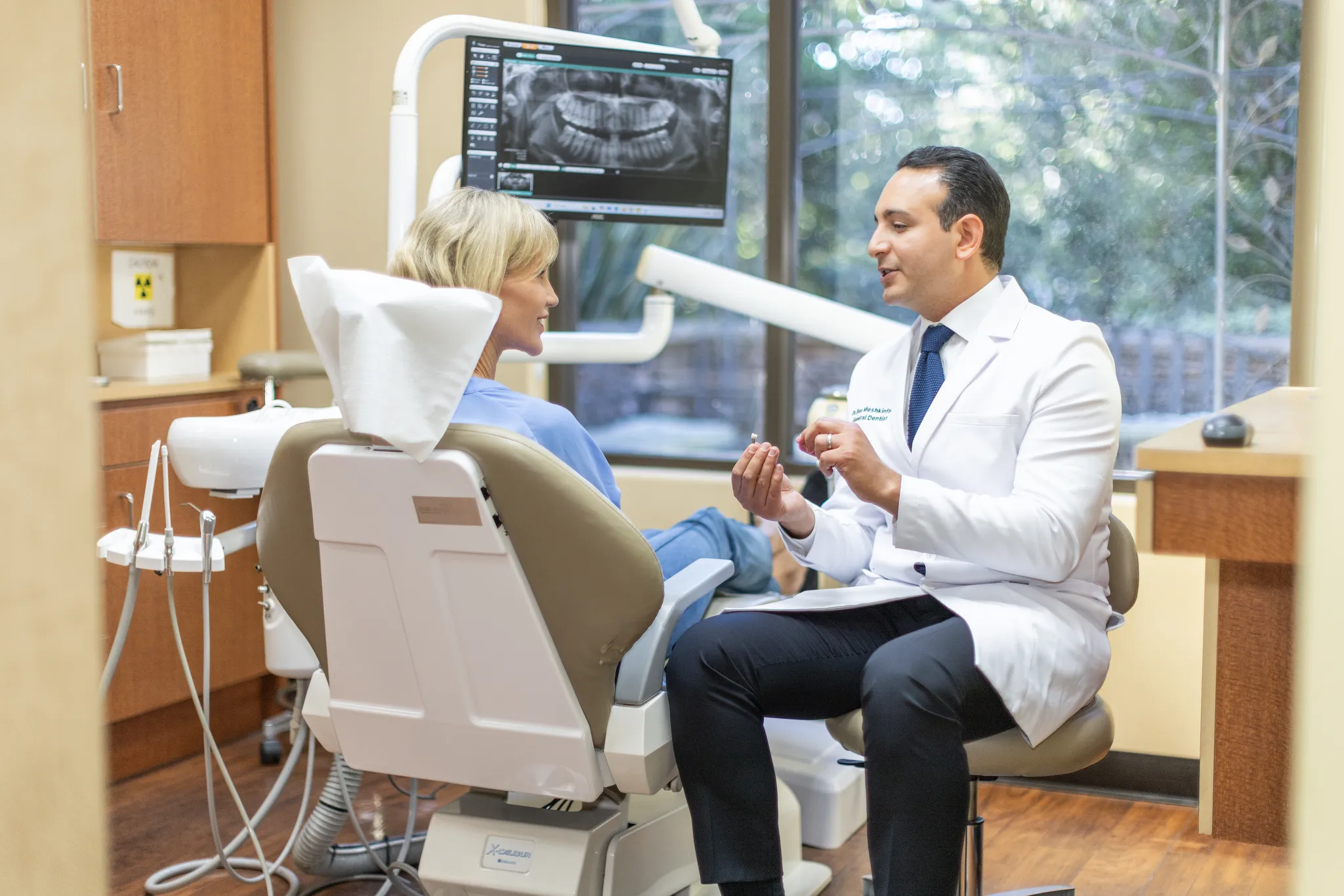
Advanced technique means a good deal of oral surgery is now less invasive than it once was, and that changes the experience of it considerably. What any given procedure involves for you is set out at the planning stage, along with what recovery looks like, before anything is agreed.
Getting Started
Being assessed for surgery
Surgical treatment starts with imaging and an assessment, because the plan depends on exactly where the tooth, root or bone sits. Talega Dental Group has treated families in San Clemente since 2003, and we will tell you plainly whether surgery is the right route or whether something less involved would do.
The short answer
Oral surgery is surgical treatment of the tooth below the gum, the bone or the jaw, for problems that go beyond restorative work. It includes wisdom teeth removal, dental implant placement, jaw alignment surgery, biopsies to diagnose oral pathology, and apicoectomy. Treatment starts with imaging and an assessment, because the plan depends on exactly where the tooth, root or bone sits.
Common Questions
Oral Surgery FAQ
- What counts as oral surgery?
Oral surgery covers procedures such as wisdom teeth removal, implant placement, jaw surgery, biopsies and apicoectomy. Broadly, it is treatment of the tooth below the gum, the bone or the jaw itself. It is a category rather than a single treatment, and most people meet it through one procedure, such as a wisdom tooth that has to come out or an implant that has to go in.
- Why do wisdom teeth need removing?
Impacted or problematic wisdom teeth are removed to prevent crowding, pain and infection. Wisdom teeth are the third molars, and removing an impacted one relieves the pain and discomfort it can cause. Not every wisdom tooth needs to come out, and imaging and an assessment establish whether yours do.
- What is an apicoectomy?
An apicoectomy is the removal of the tip of a tooth root to treat an infection that persists after root canal treatment. It works at the root end, below the gum, rather than through the top of the tooth. Like other oral surgery, it is planned from imaging, because the approach depends on exactly where the root sits.
- Is oral surgery as invasive as it sounds?
Oral surgery is often less invasive than people expect. Advanced techniques mean many procedures are now minimally invasive, which changes the experience of them considerably. What your procedure involves, and what recovery looks like, is explained at the planning stage before you agree to anything.
- Does surgery help with bite problems?
Yes, jaw surgery corrects alignment issues such as overbite, underbite and crossbite. Correcting the bite improves both how it works and how it looks. This treatment, also called orthognathic surgery, restores function for speech and chewing where the structure of the jaw was the obstacle.
- How do I know if I need it?
Whether you need oral surgery is decided by imaging and an examination. The position of the tooth, root or bone is what decides it, and that cannot be judged from symptoms alone. We will tell you plainly whether surgery is the right route or whether something less involved would do.
Book a visit
Plan your visit
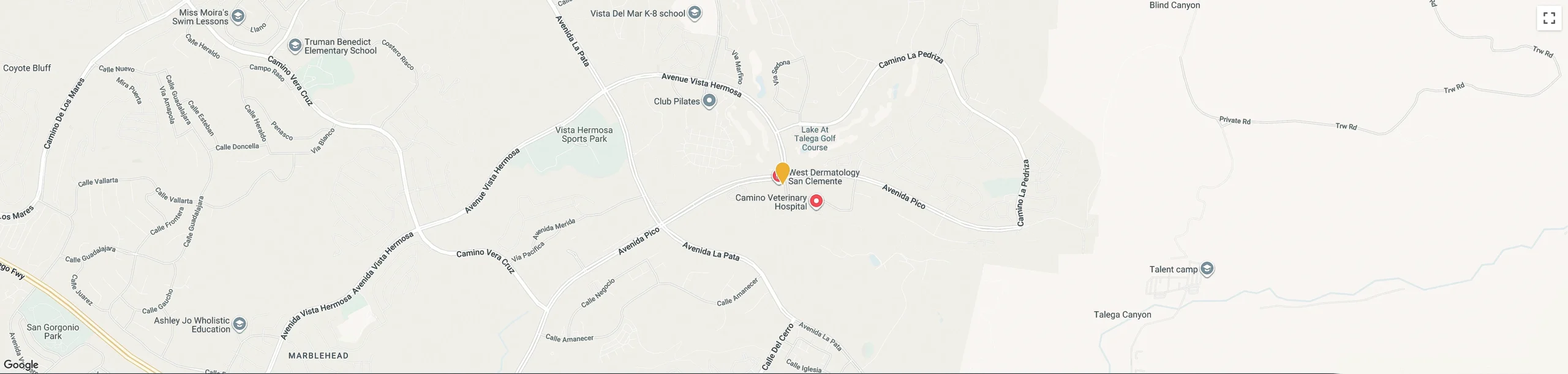
We accept new patients and offer walk-in emergency care.
Address
Phone
Office hours
Your dentist
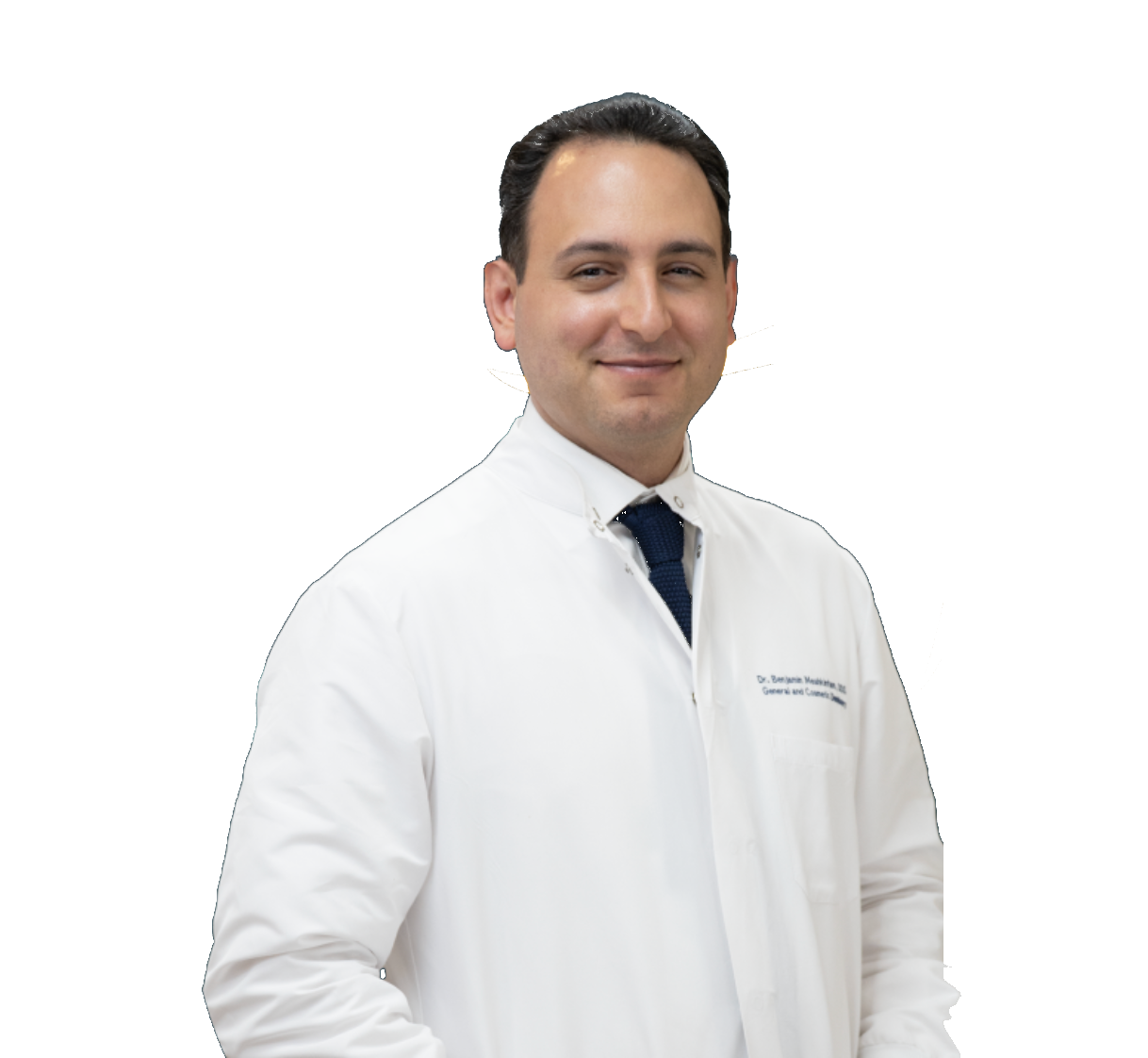
Dr. Ben Meshkinfam, D.D.S.
University of the Pacific, D.D.S. · Post-doctorate at LAC+USC Medical Center
Insurance & financing
30 HMO and PPO plans accepted
Including Delta Dental, Cigna, UnitedHealthcare, Aetna, Guardian, MetLife and Humana. Estimates in writing before treatment.