Periodontics
Soft Tissue Grafting in San Clemente
Restoring gum tissue where recession has exposed the root.
When gums recede, the root of the tooth is left uncovered – sensitive, vulnerable to decay, and visibly longer than its neighbors. A soft tissue graft replaces the missing gum and covers the root again.
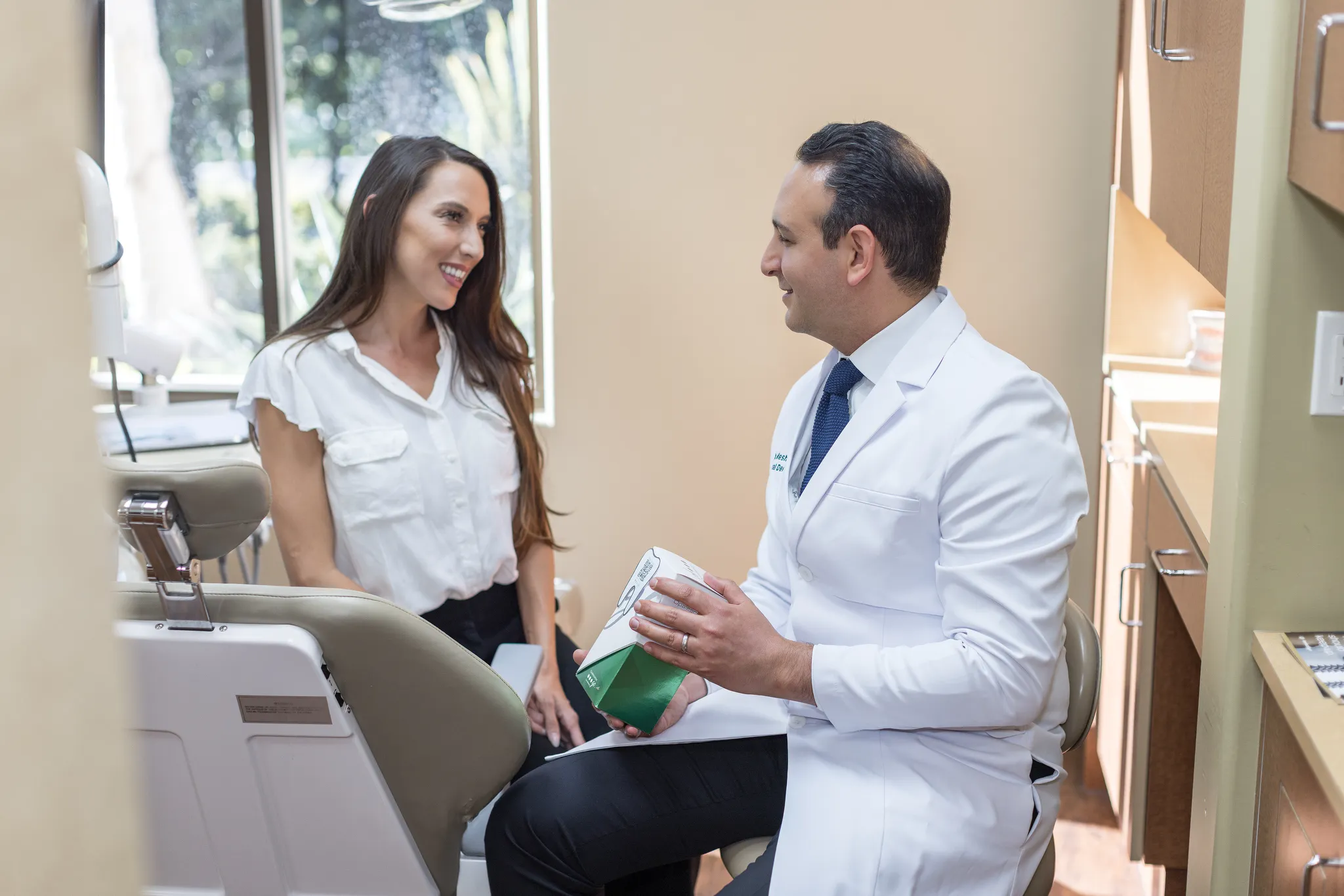
Dentistry for the whole household.
About Gum Grafting
Treating recession rather than living with it
Gum recession is one of the consequences of periodontal disease, and it does not reverse on its own. Grafting is the surgical treatment for it: tissue is placed where the gum has pulled away, restoring the health of the gums and protecting what the recession exposed.
Why Treat It
What a graft addresses
Recession is both a health problem and a cosmetic one, and grafting addresses each of them.
- Exposed roots The root surface is covered again, which is what the gum is there to do.
- Sensitivity An exposed root is often sensitive to hot and cold.
- Decay risk Root surfaces are more vulnerable to decay than enamel.
- Appearance Teeth that look unevenly long because the gumline has moved.
The Causes
Why gums recede
Recession has more than one cause, and knowing which applies matters – because a graft that is placed without addressing the reason tends not to hold.
- Periodontal disease The most common cause. As gum disease progresses it destroys the tissue and bone holding the gum in place.
- Deep pockets Periodontitis creates deep pockets between teeth and gums, and the gum line retreats with them.
- Bone loss Where the bone supporting the tooth is lost, the gum above it has less to sit on.
- Brushing too hard Aggressive brushing wears at the gum margin over years.
When It Is Indicated
Who needs a graft
Grafting is recommended where recession has progressed far enough that the root is exposed and the surrounding tissue will not recover on its own. It is part of the wider periodontal picture rather than a standalone cosmetic procedure, so it follows an assessment of your gum health, pocket depths and the bone supporting the teeth.
Getting Started
Having recession assessed
If your teeth have started to look longer, or one has become sensitive at the gumline, that is worth an appointment. Talega Dental Group has treated families in San Clemente since 2003, and gum recession is something we check for as part of a periodontal examination rather than only when it is mentioned.
The short answer
Soft tissue grafting is a surgical procedure that replaces gum tissue lost to recession and covers the exposed root of a tooth. Tissue is placed where the gum has pulled away, which reduces sensitivity, lowers the risk of decay on the root surface and restores the gumline. It is part of periodontal treatment and follows an assessment of your gum health, pocket depths and the bone supporting the teeth.
Common Questions
Soft Tissue Grafting FAQ
- What is soft tissue grafting?
Soft tissue grafting is a surgical procedure that replaces missing gum tissue where recession has exposed the root of a tooth. Tissue is placed where the gum has pulled away, covering the root again and restoring the health of the gums. It is the treatment for recession rather than a way of living with it.
- Why does gum recession matter?
Gum recession matters because an exposed root is often sensitive and is more vulnerable to decay than enamel. The gum is there to cover and protect the root surface, and once it moves, that protection is lost. The change in the gumline also makes teeth look unevenly long compared with their neighbors.
- Will my gums grow back without treatment?
No, receded gums do not grow back on their own. Recession does not reverse without treatment, which is why grafting exists. Where the root is exposed and the surrounding tissue will not recover, a graft is what replaces the missing gum.
- How do I know if I need one?
Whether you need a graft is established through a periodontal assessment. It measures pocket depths, checks for recession and evaluates the bone supporting the teeth. Grafting is recommended where recession has progressed far enough that the root is exposed and the tissue will not recover on its own.
- Is it related to gum disease?
Yes, recession is one of the consequences of periodontal disease, and the most common cause. As gum disease progresses it destroys the tissue and bone holding the gum in place and creates deep pockets, and the gum line retreats with them. That is why grafting sits within the wider treatment of gum disease rather than standing alone.
- What causes the sensitivity?
The sensitivity comes from the root surface, which is not covered by enamel. When the gum no longer protects it, hot and cold reach the tooth far more readily. Covering the root again with a graft is what addresses it.
- Will the recession come back after a graft?
Recession should not come back if its cause has been addressed. Where periodontal disease drove it, treating that disease is what makes the graft last, and where brushing too hard contributed, that habit matters too. A graft placed without addressing the reason tends not to hold, which is why it follows a full assessment.
- Is grafting only cosmetic?
No, grafting is not only cosmetic. Covering an exposed root reduces sensitivity and lowers the risk of decay on a surface that has no enamel to protect it. It also restores the gumline, so it addresses the health problem and the cosmetic one together.
Book a visit
Plan your visit
We accept new patients and offer walk-in emergency care.
Address
Phone
Office hours
Your dentist
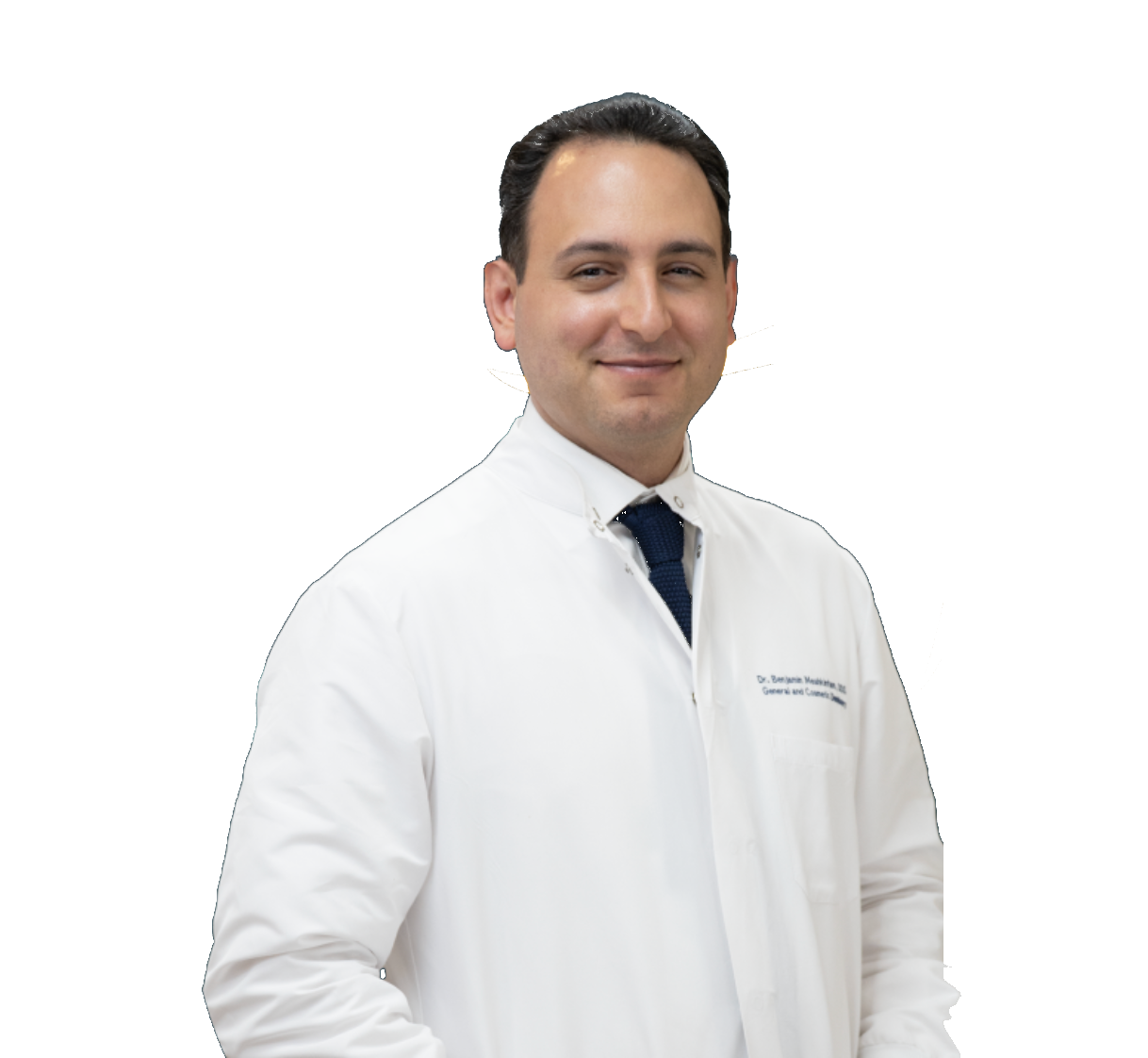
Dr. Ben Meshkinfam, D.D.S.
University of the Pacific, D.D.S. · Post-doctorate at LAC+USC Medical Center
Insurance & financing
30 HMO and PPO plans accepted
Including Delta Dental, Cigna, UnitedHealthcare, Aetna, Guardian, MetLife and Humana. Estimates in writing before treatment.