Cosmetic Dentistry
Dental Bonding in San Clemente
A single visit, minimal drilling, and a chip that is no longer there.
Bonding applies a tooth-colored resin directly to the tooth, shapes it, and cures it hard with a light. It repairs chips, cracks, discoloration and small gaps – and it is usually done and finished in one appointment.

Dentistry for the whole household.
About Bonding
What bonding can fix
The resin is applied with a bonding agent and set with a high-intensity curing light. It repairs minor imperfections – chips, cracks, discoloration, gaps – and can also reshape a tooth, cover a root exposed by gum recession, or fill a small cavity.
The Advantages
Why bonding is often the right first answer
It is the conservative option, and for small problems it is frequently all that is needed.
- One visit Typically completed in a single appointment, with immediate results.
- Minimal enamel removal Very little natural tooth structure is taken away.
- Versatile It addresses chips, cracks, discoloration and gaps with the same technique.
- Natural-looking The resin is matched so it blends with the surrounding teeth.
- Less sensitivity It typically causes less post-treatment sensitivity than more involved procedures.
The Appointment
How bonding is done
Quick, and almost always finished the same day.
- Consultation Your needs are assessed and we confirm bonding is the right treatment.
- Preparation The surface of the tooth is etched so the resin will hold.
- Application A tooth-colored composite resin is applied and shaped.
- Curing A special light hardens the resin in place.
- Polishing The bonded tooth is polished to blend with your natural teeth.
The Trade-Off
Where bonding has its limits
It is worth being straightforward about this: bonding may not match the durability or stain resistance of veneers or crowns, and it can need touching up or replacing over time. That is the trade-off for a conservative, single-visit treatment. Where a tooth takes heavy force or the change you want is substantial, we will tell you that a veneer or crown is the more durable answer.
Getting Started
Having a chip looked at
Small repairs are easy to keep putting off, and a chip can worsen. Talega Dental Group has treated families in San Clemente since 2003 – if something has chipped, it is a short appointment to find out what it needs.
The short answer
Dental bonding is a cosmetic treatment that applies a tooth-colored composite resin directly to a tooth, shapes it, and hardens it with a curing light. It repairs chips, cracks, discoloration and small gaps, and can also reshape a tooth, cover a root exposed by gum recession, or fill a small cavity. It involves very little removal of enamel and is usually completed in a single appointment.
Common Questions
Dental Bonding FAQ
- How long does bonding take?
Bonding is quick and is usually completed in a single visit, with the result visible immediately. The appointment runs through preparation, application, curing and polishing in one sitting. A follow-up may be arranged if any adjustments are needed.
- How much of my tooth is removed?
Very little of the tooth is removed, because bonding involves only minimal removal of enamel. The surface is etched so the resin will hold, rather than being taken down to make room for a restoration. That preserves more of the natural tooth than a crown or veneer requires.
- How does it compare with veneers?
Bonding is faster, more conservative and less costly to place than veneers, but it may not match their durability or stain resistance. It can need touching up or replacing over time, which is the trade-off for a single-visit treatment. Where a tooth takes heavy force or the change you want is substantial, a veneer or crown is the more durable answer, and we will tell you so.
- What can bonding fix?
Bonding can fix chips, cracks, discoloration and gaps between teeth. It can also reshape a tooth, cover a root exposed by gum recession, or fill a small cavity. The same technique is used in each case, with the resin applied, shaped and hardened with a curing light.
- Will it look obvious?
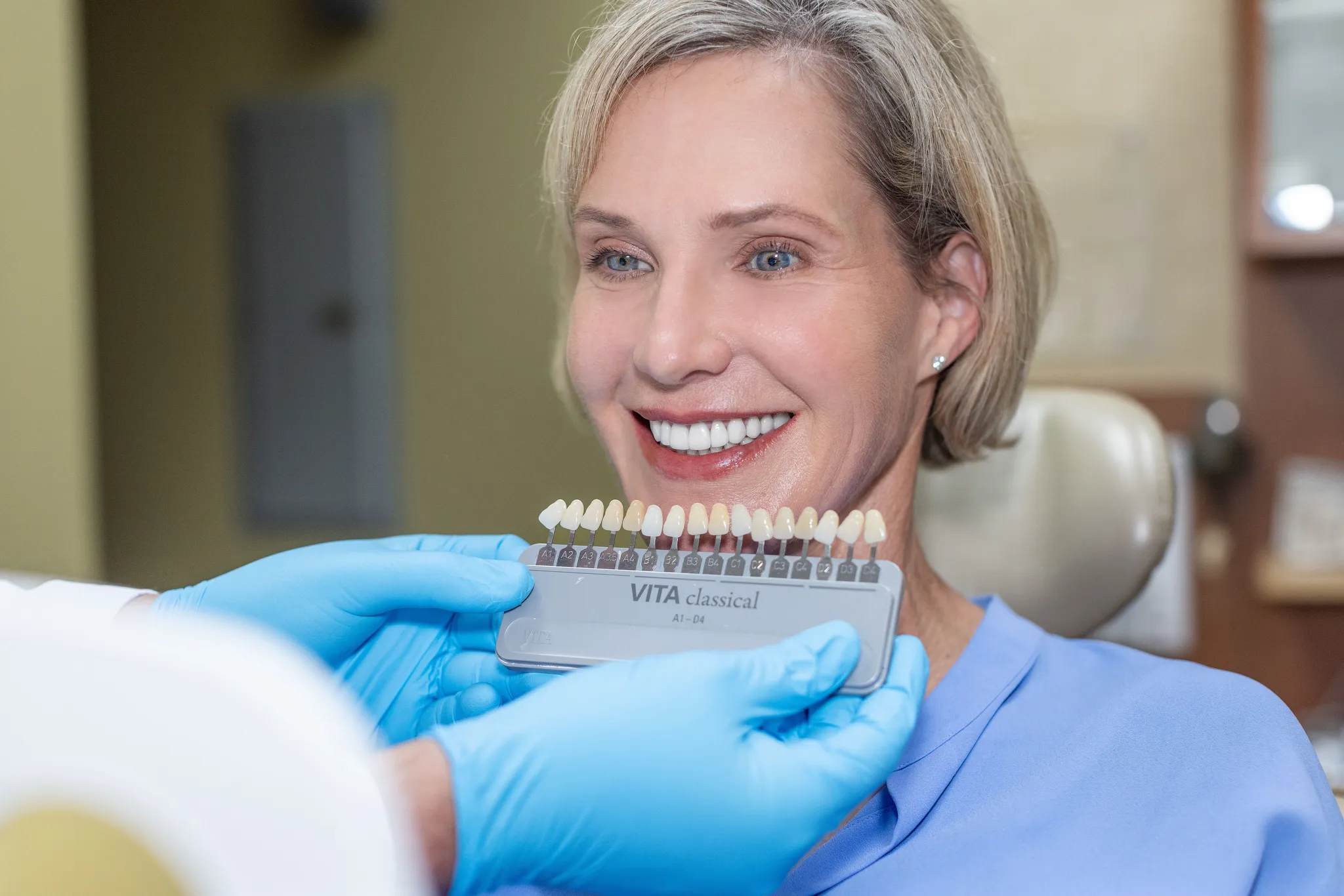
Bonding is designed to blend in, because the resin is tooth-colored and matched to the surrounding teeth. After it is shaped and hardened, the bonded tooth is polished to blend with your natural teeth. A well-placed repair reads as part of the tooth.
- Will it stain?
Bonding can stain, because the resin is less stain resistant than porcelain. How much depends on what you eat and drink, and it may need touching up over time. That is part of the trade-off against veneers or crowns, which offer greater stain resistance.
Book a visit
Plan your visit
We accept new patients and offer walk-in emergency care.
Address
Phone
Office hours
Your dentist

Dr. Ben Meshkinfam, D.D.S.
University of the Pacific, D.D.S. · Post-doctorate at LAC+USC Medical Center
Insurance & financing
30 HMO and PPO plans accepted
Including Delta Dental, Cigna, UnitedHealthcare, Aetna, Guardian, MetLife and Humana. Estimates in writing before treatment.